
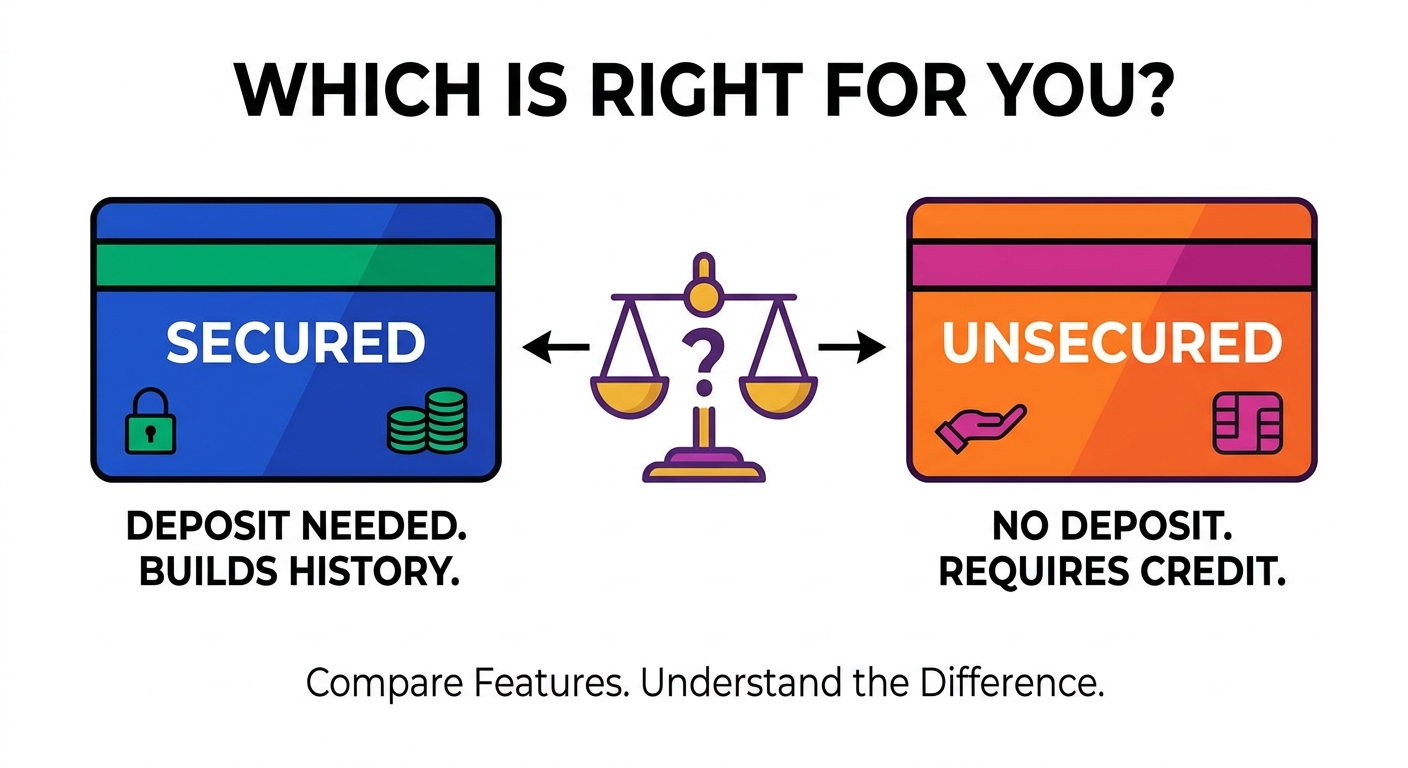
Secured vs unsecured credit cards: which one is right for you?
Navigating the world of credit cards can feel a bit like learning a new language. You hear terms like "APR," "credit limit," and "credit score," and it's easy to get overwhelmed. But at the heart of it all are two fundamental types of credit cards: secured and unsecured. Understanding the difference between these two is crucial for anyone looking to build credit, improve their financial standing, or simply manage their money more effectively.
Whether you're just starting your credit journey, recovering from past financial missteps, or simply looking for the best card to suit your lifestyle, knowing the ins and outs of secured vs. unsecured credit cards will empower you to make an informed decision. Let's break down each type, explore their pros and cons, and help you determine which credit card option is right for you.
Understanding Unsecured Credit Cards
When most people think of a credit card, they're typically picturing an unsecured credit card. These are the most common type of credit card, offering a revolving line of credit without requiring you to put down any collateral.
What are Unsecured Credit Cards?
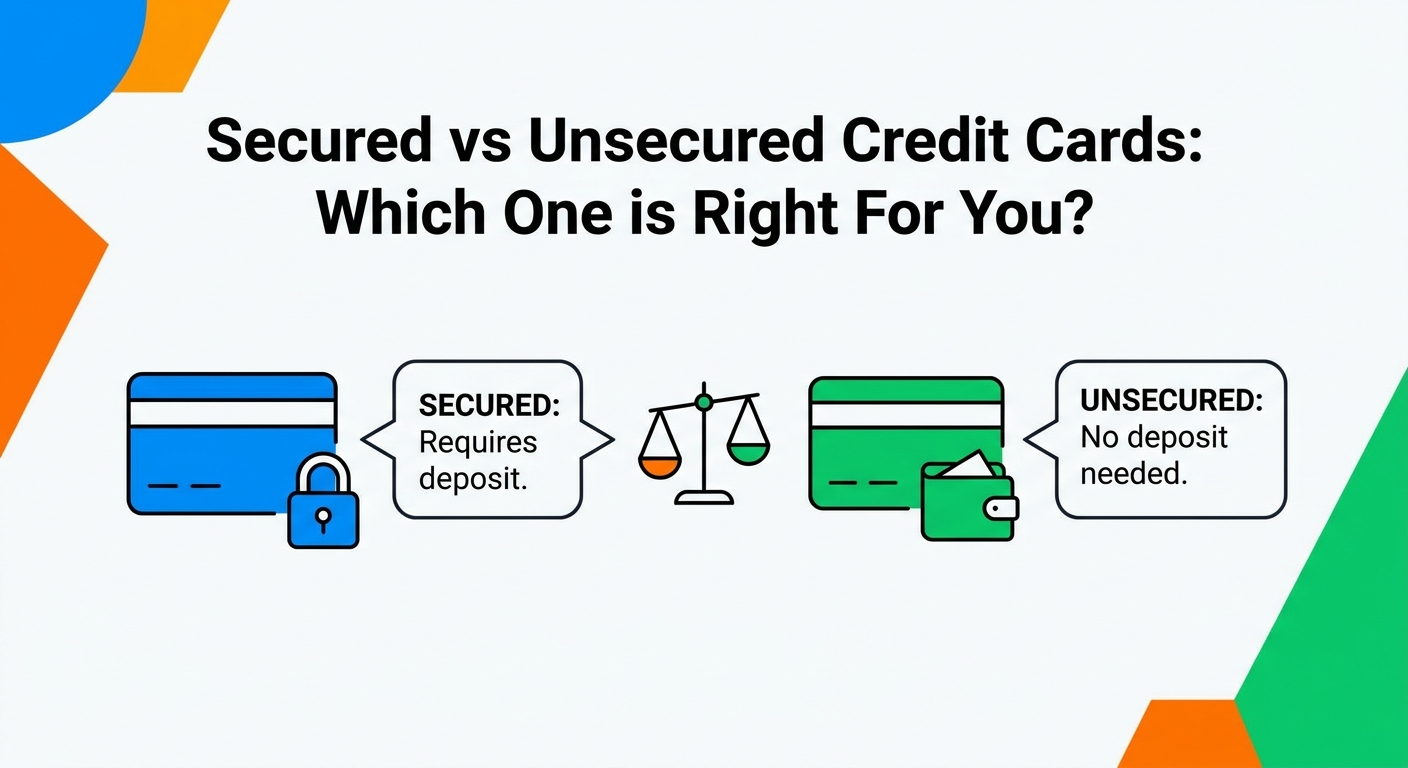
An unsecured credit card is essentially a loan based on your promise to repay. Lenders evaluate your creditworthiness – your history of borrowing and repaying debt – to decide if they'll offer you a card and what your credit limit will be. They look at factors like your credit score, income, existing debts, and payment history.
Here’s how they generally work:
- No Collateral: You don't need to provide any money upfront as a security deposit.
- Credit Limit: The issuer sets a credit limit (e.g., $500, $5,000, or more) based on your financial profile. This is the maximum amount you can borrow.
- Interest and Payments: You can make purchases up to your credit limit. If you don't pay your full balance by the due date, you'll be charged interest on the remaining amount. Paying your balance in full each month helps you avoid interest charges and builds good credit.
- Rewards and Perks: Many unsecured cards come with attractive features like cashback, travel rewards, sign-up bonuses, and other benefits.
Examples include general-purpose cards from major banks, store credit cards, and specialized rewards cards.
Pros of Unsecured Credit Cards
Unsecured credit cards offer a host of advantages for those who qualify:
- No Security Deposit: The most significant benefit is that you don't need to tie up your savings as collateral. This means more accessible funds for other needs.
- Rewards and Perks: Many unsecured cards come with enticing rewards programs, such as cashback on purchases, travel miles, or points that can be redeemed for merchandise. Some offer introductory 0% APR periods or sign-up bonuses.
- Higher Credit Limits: For individuals with strong credit, unsecured cards typically offer significantly higher credit limits, providing more financial flexibility for larger purchases or emergencies.
- Convenience and Acceptance: Unsecured cards from major networks (Visa, MasterCard, American Express, Discover) are widely accepted worldwide, offering unparalleled convenience for everyday spending and travel.
- Credit Building Potential: When used responsibly (paying on time, keeping balances low), unsecured cards are excellent tools for building and maintaining a strong credit score, which can open doors to better loan rates, mortgages, and more.
Cons of Unsecured Credit Cards
Despite their advantages, unsecured cards also come with potential drawbacks:
- Harder to Qualify: This is the biggest hurdle. Lenders require a good to excellent credit history and a stable income because they're taking on more risk. If your credit score is low or non-existent, approval can be difficult or impossible.
- Higher Interest Rates: If you carry a balance month-to-month, the interest rates (APRs) on unsecured cards can be quite high, leading to substantial interest charges that make your purchases much more expensive over time.
- Risk of Debt: Without a security deposit to limit your spending, it's easier to overspend and accumulate high-interest debt if you don't manage your card responsibly.
- Potential for Fees: While many offer benefits, some unsecured cards come with annual fees, foreign transaction fees, or balance transfer fees that can add up.
Delving into Secured Credit Cards
If unsecured cards are designed for those with established credit, secured credit cards are specifically crafted for individuals who are just starting out or looking to rebuild their credit.
What are Secured Credit Cards?
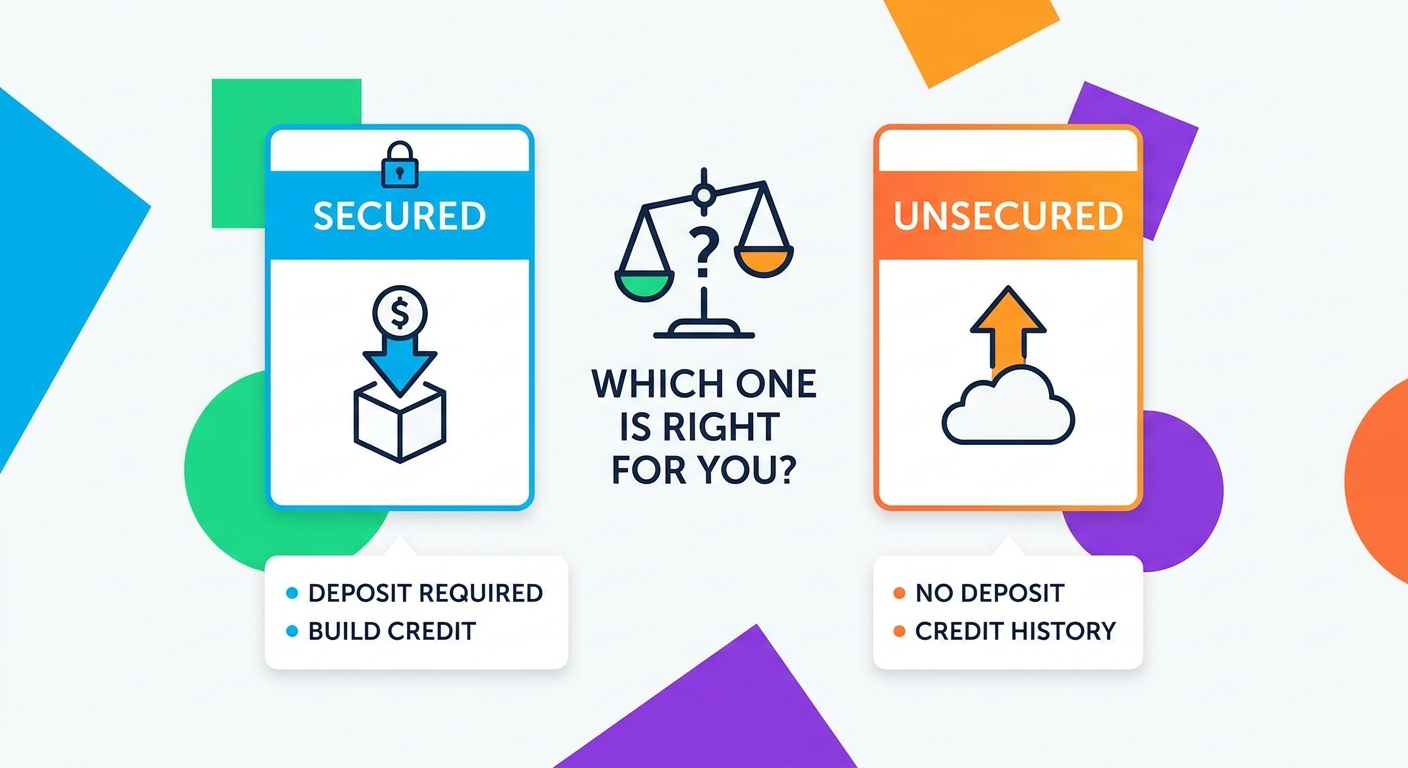
A secured credit card is backed by a cash deposit you make to the credit card issuer. This deposit serves as collateral, providing security for the lender in case you fail to make your payments. Essentially, your deposit typically becomes your credit limit.
Here’s how they generally work:
- Security Deposit: You provide a refundable deposit, often ranging from $200 to $2,500, to the issuer. This deposit is held in an account and is usually equal to your credit limit.
- Credit Reporting: Just like unsecured cards, secured cards report your payment activity to the major credit bureaus. This is how you build a credit history.
- Usage: You use the card like any other credit card, making purchases up to your credit limit and paying your bill on time.
- Refundable Deposit: If you close your account in good standing or graduate to an unsecured card, your security deposit is typically refunded.
Secured credit cards are often seen as training wheels for credit, offering a low-risk way for both the cardholder and the issuer to build trust and demonstrate responsible financial behavior.
Pros of Secured Credit Cards
Secured credit cards are a powerful tool for specific financial situations:
- Easier to Qualify: This is their primary advantage. Because of the security deposit, lenders take on less risk, making secured cards accessible even for those with no credit history, bad credit, or a limited income.
- Effective for Building Credit: The most crucial benefit is their ability to help you establish or rebuild a positive credit history. Every on-time payment and responsible usage is reported to credit bureaus, directly impacting your credit score.
- Path to Unsecured Cards: Many secured card programs offer a "graduation" path. After a period of responsible use (e.g., 6-12 months), the issuer may convert your secured card to an unsecured one, refunding your deposit.
- Disciplined Spending: Since your credit limit is tied to your deposit, it encourages responsible spending habits and prevents you from accumulating overwhelming debt, making it a safer option for learning credit management.
- Widely Accepted: Most secured cards carry the logos of major payment networks (Visa, MasterCard), meaning they can be used almost anywhere regular credit cards are accepted.
Cons of Secured Credit Cards
While beneficial, secured cards do have their limitations:
- Requires an Upfront Security Deposit: You need to have the cash available to fund the deposit, which can be a barrier for some individuals.
- Credit Limit Tied to Deposit: Your spending limit is typically equal to your deposit, which might be lower than you desire or need for larger purchases.
- Fewer Rewards and Perks: Most secured cards offer limited or no rewards programs, cashback, or other benefits commonly found with unsecured cards. Their primary purpose is credit building, not maximizing rewards.
- Psychological Factor: Some people might mistakenly treat it like a debit card since their own money is "backing" it, potentially not realizing the importance of making timely payments and managing the credit line.
- Annual Fees: Some secured cards may still charge an annual fee, which can eat into the value of your deposit if not managed properly.
Key Differences: Secured vs. Unsecured at a Glance
To help you quickly grasp the core distinctions, here's a comparison of secured and unsecured credit cards:
- Security Deposit:
- Secured: Requires a refundable cash deposit as collateral.
- Unsecured: No deposit required; based purely on creditworthiness.
- Eligibility:
- Secured: Easier to qualify for, suitable for bad/no credit.
- Unsecured: Requires good to excellent credit history.
- Credit Limit:
- Secured: Typically equals your deposit amount (e.g., $200 deposit = $200 credit limit).
- Unsecured: Determined by your credit score, income, and debt-to-income ratio; often higher.
- Rewards & Perks:
- Secured: Generally fewer or no rewards/perks.
- Unsecured: Often features robust rewards programs (cashback, travel points, etc.).
- Primary Purpose:
- Secured: Building or rebuilding credit history.
- Unsecured: Everyday spending, earning rewards, accessing higher credit lines.
Which One is Right for You? Making the Choice
Now that you understand the fundamental differences, let's consider which type of credit card aligns best with your current financial situation and goals.
Consider a Secured Credit Card if...
- You have no credit history: You're new to credit (e.g., a student or young adult) and need to establish your first credit file.
- You have poor or bad credit: You've had financial difficulties in the past (e.g., bankruptcies, late payments) and need to demonstrate responsible behavior to repair your credit score.
- You want a safe way to learn about credit: The fixed credit limit (equal to your deposit) can help you learn to manage credit responsibly without the risk of overspending on a high-limit unsecured card.
- You're committed to improving your credit score: You understand that consistent, on-time payments are key to graduating to an unsecured card and unlocking better financial opportunities.
- You have the funds for a security deposit: You have accessible cash that you're comfortable setting aside for a period to secure your card.
Opt for an Unsecured Credit Card if...
- You have a good to excellent credit score: Your credit history is solid, and you've demonstrated a strong ability to manage debt responsibly.
- You want rewards, cashback, or travel perks: You're looking to maximize the benefits of your spending and enjoy the additional features that often come with unsecured cards.
- You need a higher credit limit for emergencies or larger purchases: You require the flexibility of a higher spending limit that typically isn't offered by secured cards.
- You're disciplined with credit card payments: You are confident in your ability to pay off your balance in full each month or manage debt strategically to avoid high interest charges.
- You prefer not to tie up a security deposit: You don't want or need to use your savings as collateral for a credit card.
Tips for Responsible Credit Card Use (Regardless of Type)
No matter which type of credit card you choose, responsible usage is paramount for building a healthy financial future:
- Pay on Time, Every Time: Your payment history is the most significant factor in your credit score. Set up automatic payments or reminders to ensure you never miss a due date.
- Keep Utilization Low: Aim to use no more than 30% of your available credit limit. For example, if your limit is $1,000, try to keep your balance below $300. Lower utilization signals to lenders that you're not overly reliant on credit.
- Understand Your Terms and Conditions: Read the fine print! Know your interest rate (APR), annual fees, late payment fees, and any other charges associated with your card.
- Check Your Credit Report Regularly: You're entitled to a free credit report from each of the three major bureaus annually. Review them for errors and to monitor your progress.
- Don't Apply for Too Much Credit at Once: Each credit application can temporarily ding your score. Only apply for credit when you genuinely need it.
Making an informed decision about your credit card is a significant step towards achieving your financial goals. By understanding whether a secured or unsecured card aligns with your current situation, you can strategically use credit as a powerful tool for your future.
Your credit journey is unique, and choosing the right card is just the beginning. Stay informed, stay disciplined, and watch your financial health grow!
If you found this article helpful and want more practical advice on managing your money, building credit, and making smart financial choices, be sure to subscribe to our newsletter!
References & Sources
What Is a Secured Credit Card?
What's the difference between a secured and unsecured credit card?